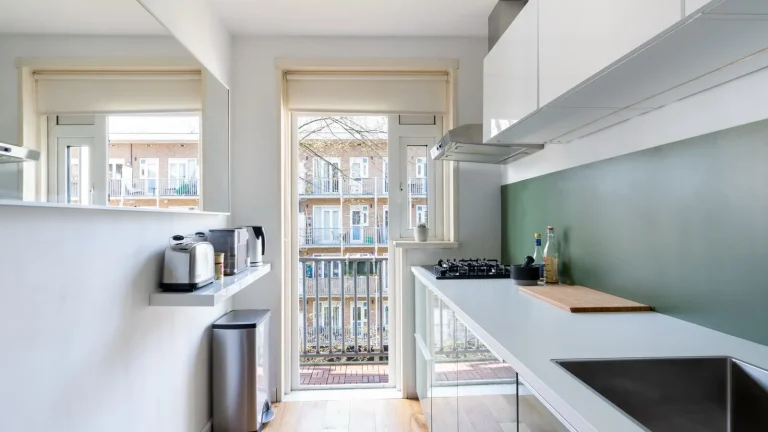
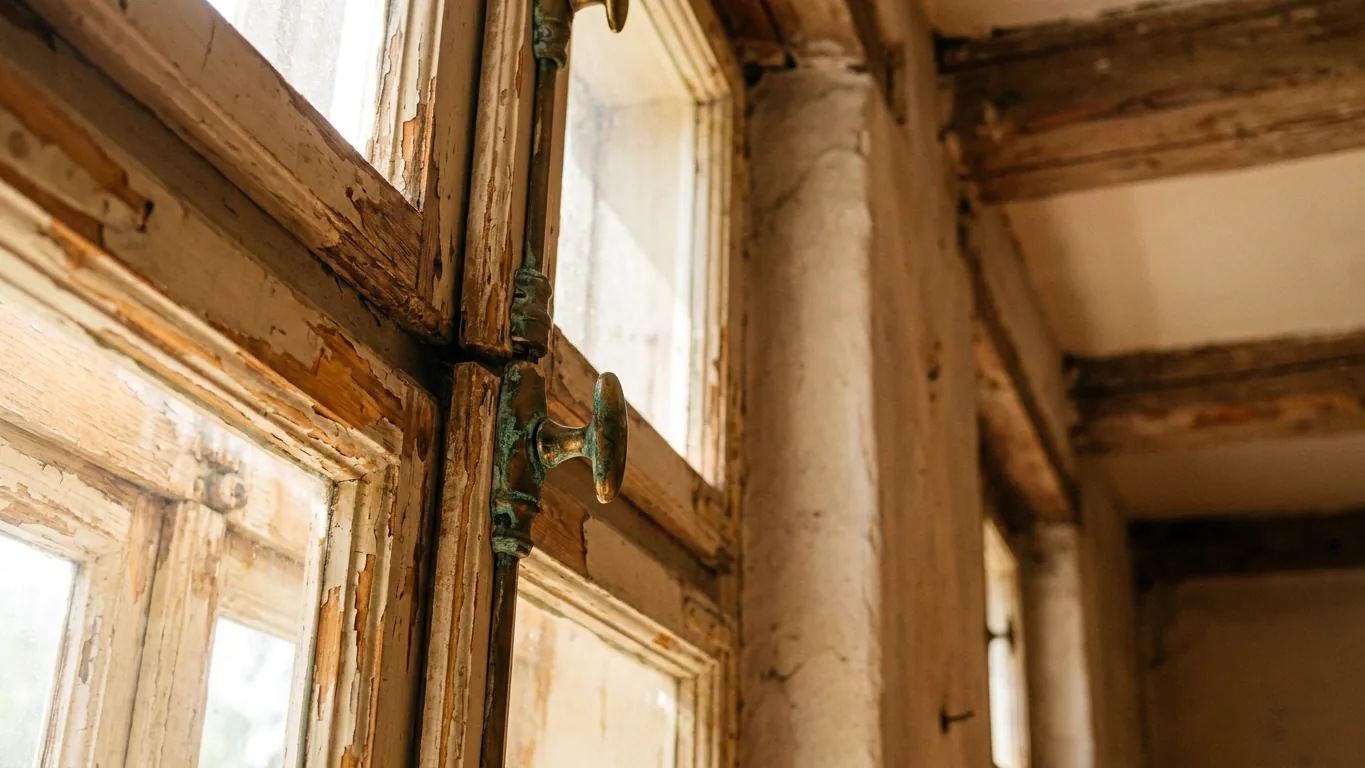
An age clause (ouderdomsclausule) is a provision in the purchase agreement stating that you are buying an older home, and that you therefore cannot expect it to meet the standards of a new-build home. An old building creaks here and there and is less well insulated. The clause records that expectation. It does not release the seller from the duty to disclose everything they know.
What does an age clause say?
What matters is the content: as a buyer, you cannot demand that the home meets the same standards as a new build. Think of a wooden floor that creaks, a staircase that is no longer perfectly straight, or walls without insulation. That comes with the age of the building, and you cannot hold the seller liable for it afterwards.
There is no fixed year of construction from which the clause is used. I often include it at the seller’s request, and also when I notice that it is an older building where something could well be wrong. In that case you want everything investigated and properly disclosed to the buyer. In Amsterdam, with so many buildings from around 1900 in neighbourhoods such as Oud-West and De Pijp, you come across the clause regularly.
What does the age clause not cover?
Whatever clause is included, a seller always has a duty to disclose. Anything they know that could be a disadvantage to a buyer, they have to report. That is set out firmly in the purchase agreement, which contains a series of guarantees from the seller and an explicit duty to disclose. If the seller knew about a leak or problems with the foundations, an age clause does not protect them.
On the other side, a buyer has a duty to investigate (onderzoeksplicht). You have to take a good look at what you are buying yourself.
What do you do as a buyer?
If I see an age clause in the agreement as a buying agent, I first explain to my client what it means. There is no need to panic, but you do take it seriously.
I always recommend a structural survey. We then walk through the home together with a building surveyor. That is nice for you too: you spend an hour in your new home, which feels different from a twenty-minute viewing.
It has happened that a seller only added the clause later on. Normally it is already in the funda listing, it comes up during the viewing, or it is in the agreement in principle (wilsovereenstemming). This time it suddenly appeared in the purchase agreement. To give ourselves the best possible chance, we had made an offer without a structural survey condition. When I saw the age clause, I insisted on a survey after all, because otherwise we could not meet our duty to investigate. Nothing major came out of it and my client bought a lovely home. Want help buying an older home? See what a buying agent does for you.
What do you do as a seller?
If you want to include an age clause, mention it early: in the funda listing, during viewings or at the latest in the agreement in principle. If it only appears in the purchase agreement, a buyer feels caught off guard, and that costs you trust or an extra survey.
Also disclose everything you know. If you ever renovated something without permission from the owners’ association (VvE), for example, read in this blog about renovating and the VvE what to do. As a selling agent, I go through these points with you at the start of the sale.
Which other clauses do you see?
Some selling agents use a lot of clauses, others hardly any. Alongside an age clause, I often see:
- an asbestos clause: the buyer knows there may be asbestos in the home and accepts that risk;
- a non-occupancy clause: the seller has not lived there themselves and can therefore tell you less about the home;
- a measurement clause: about how the living area was measured, so that a small difference does not become a discussion afterwards.
Sometimes an “as is, where is” clause is even added: you buy the home in the state it is in at that moment.
Not sure what a clause in your purchase agreement means? Feel free to call or email.
Frequently asked questions
Is an age clause mandatory?
No. It is the seller’s choice, often at their own request or on the agent’s advice, usually for an older building.
Can a seller hide defects with an age clause?
No. The duty to disclose always applies. Anything the seller knows that could be a disadvantage to the buyer, they have to report, even if there is an age clause in the purchase agreement.
Should I have a structural survey done if there is an age clause?
I always recommend it. With a survey you know what you are buying, and you meet your duty to investigate as a buyer.
From which year of construction does an age clause apply?
There is no fixed year. It depends on the condition of the home and on what the seller wants to record.