 Sold
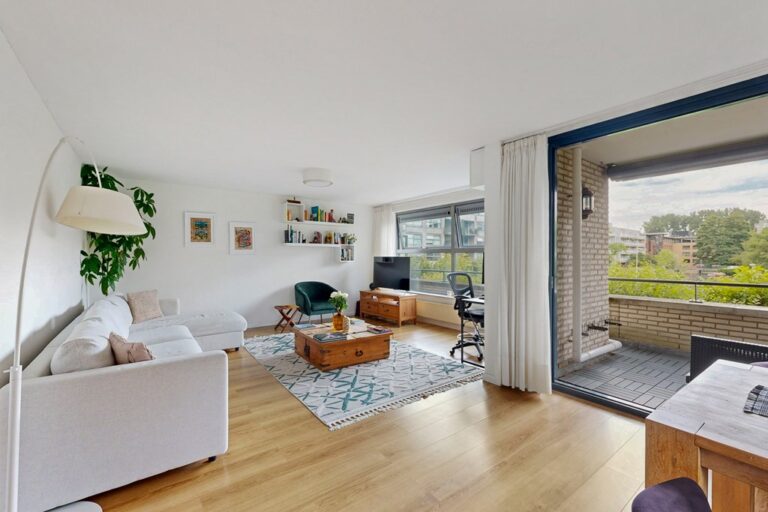
Sold Gaffelaarspad 10
1081 KK Amsterdam
Sold in August 2026
- 82 m²
- 3 rooms
- Label B
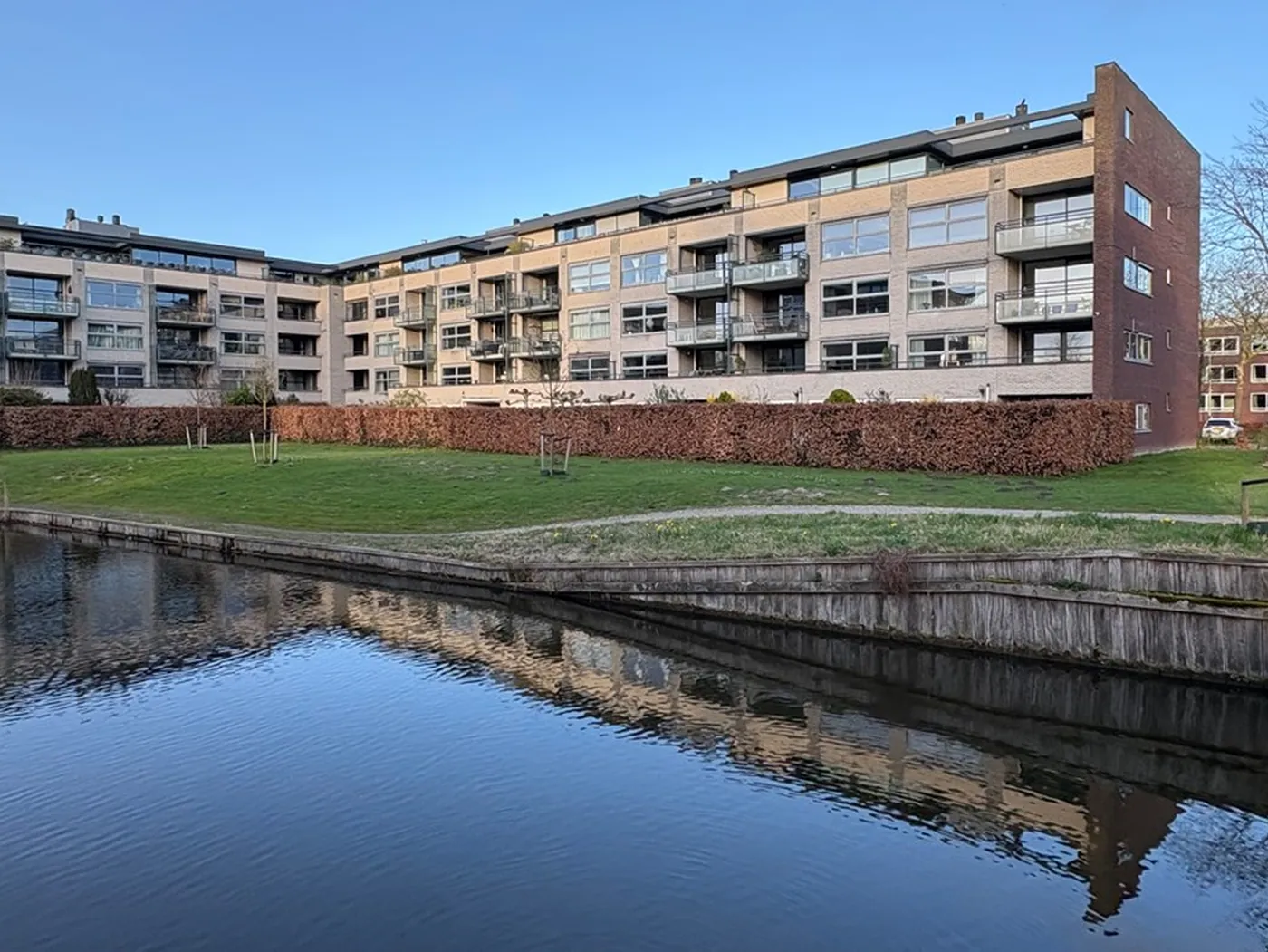
Amsterdam-Zuid is the district with the highest average income in the city, but if you only know it from the Museumplein, you are missing most of it. Between De Pijp in the north and Buitenveldert on the border with Amstelveen, a century of housing stands side by side, from nineteenth-century flats to new towers on the Zuidas.
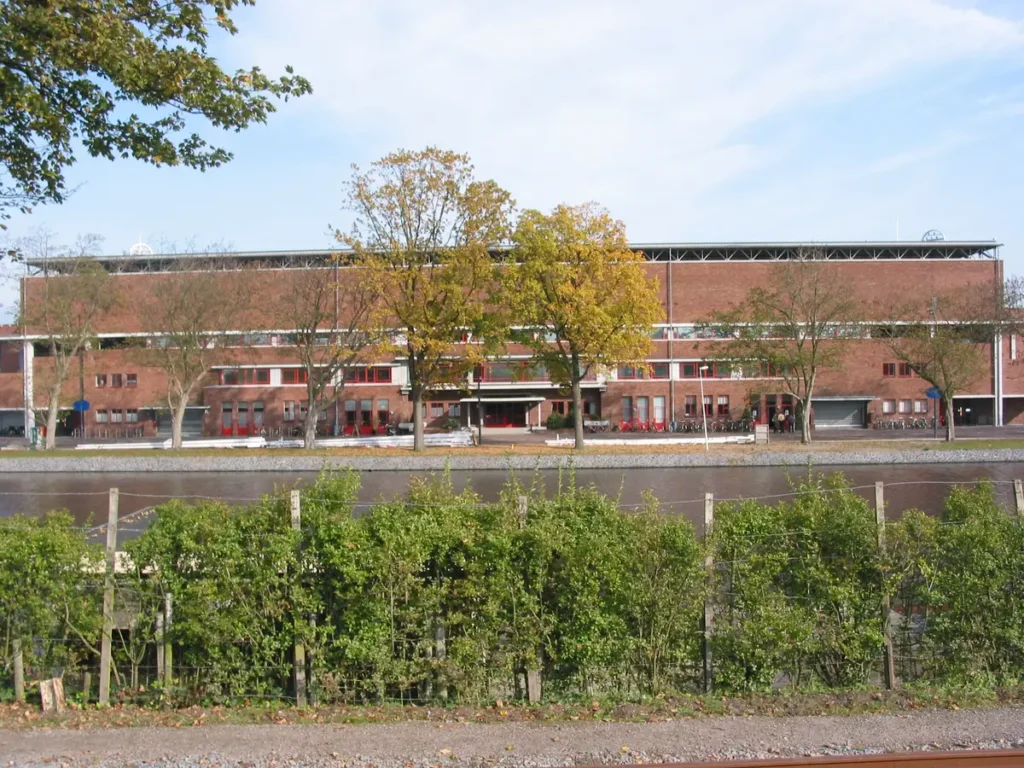
Zuid came about in two big steps. In 1917 the city council adopted Plan Zuid by H.P. Berlage: wide avenues, closed building blocks and squares, worked out by the architects of the Amsterdam School. A highlight from that period is the Olympic Stadium, built for the 1928 Games, which still stands in the Stadionbuurt.
After the war the city moved further south. The first residents arrived in Buitenveldert at the end of the 1950s, and from the 1990s onwards the Zuidas grew around Zuid station into a business district with office towers, the Vrije Universiteit and more and more homes. Since 2010 all those parts have formed one district together.
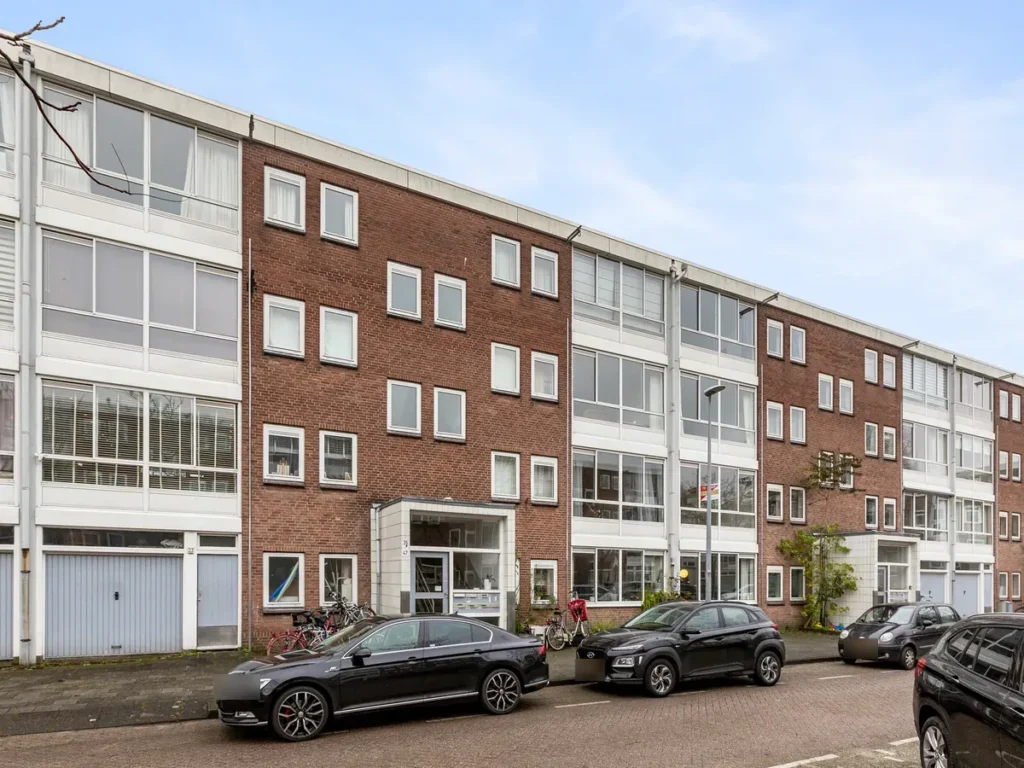
Zuid is the district of big differences in housing type. In De Pijp you live compactly in a divided building from around 1900. In the Rivierenbuurt, the Stadionbuurt and around the Minervalaan, they are spacious walk-up flats and upper-floor homes from the 1920s and 1930s, often in Amsterdam School style. Buitenveldert mixes low-rise with mid-rise flats and high-rise, and on the Zuidas you live in new builds, such as Valley on the Beethovenstraat, the green towers by MVRDV.
As a whole, Zuid is one of the most expensive districts of Amsterdam. Within the district the differences are large: Buitenveldert is considerably lower by Zuid standards, while around the Museumplein and the Apollolaan you pay top prices.
For daily shopping every neighbourhood has its own address: the Maasstraat in the Rivierenbuurt, the Beethovenstraat near the Zuidas and the covered Gelderlandplein shopping centre in Buitenveldert, with smaller rows of shops on the A.J. Ernststraat and the Kastelenstraat.
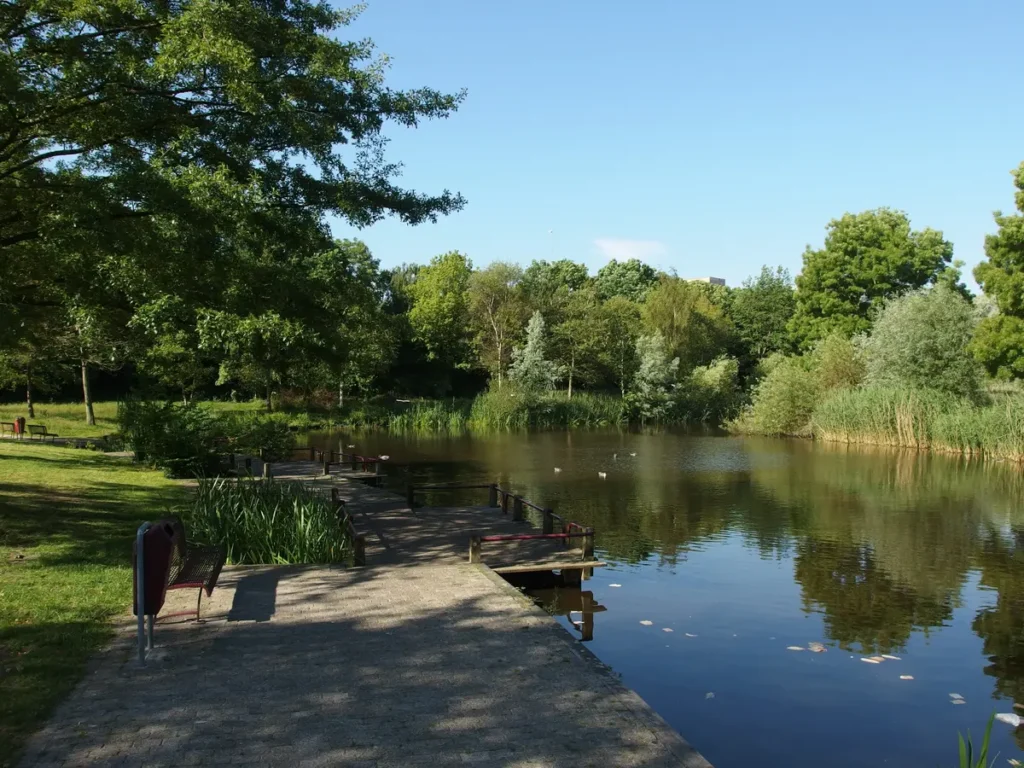
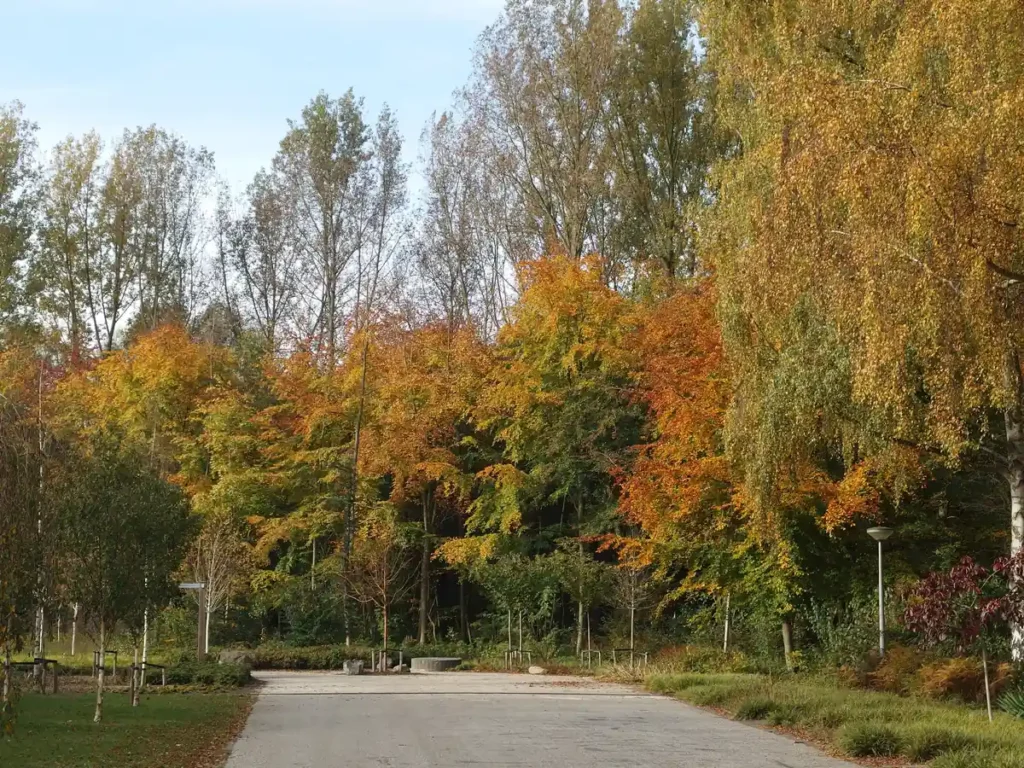
What really sets Zuid apart are the parks. The Beatrixpark is close to the RAI and the Zuidas, the Amstelpark in Buitenveldert was laid out for the 1972 Floriade, and in the Gijsbrecht van Aemstelpark you walk over little bridges between three small islands.
Zuid is home for me, so I've picked places from different corners of it. For brunch, Florentin in De Pijp is a great choice, known for its shakshuka. In the Stadionbuurt you can eat Italian at Osteria Bella Ciao on Laan der Hesperiden. On the Zuidas you'll find the Botanische Tuin, free to visit and home to the largest cactus collection in the Netherlands. And on Saturdays there's the ZuiderMRKT on the corner of Jacob Obrechtstraat and Johannes Verhulststraat, a cooperative market with lots of organic produce.
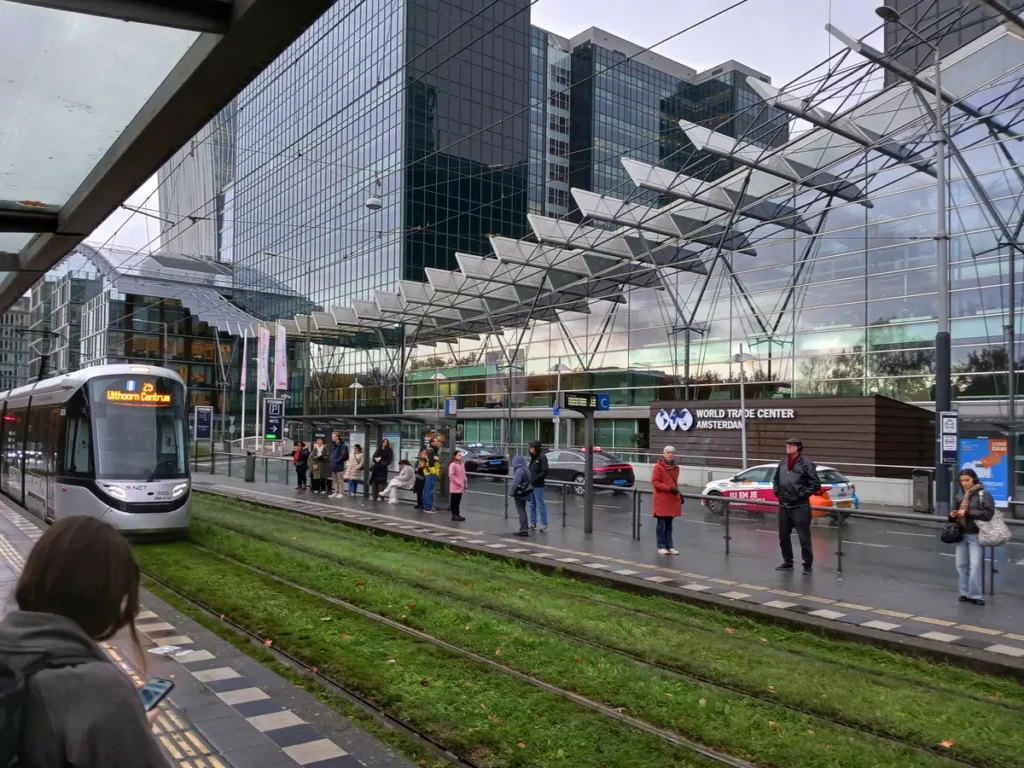
Amsterdam Zuid station is the district's hub: metro lines 50, 51 and 52, trams and trains, with Schiphol less than ten minutes away. The Noord/Zuidlijn also stops at De Pijp and Europaplein. Tram 5 runs from Zuid station along the Buitenveldertselaan to Amstelveen, and trams 3, 12 and 24 cross the northern part of Zuid.
By car you are close to the A10 ring road almost everywhere in Zuid; it runs along the Zuidas and Buitenveldert.
Zuid has a neighbourhood for almost every stage of life. First-time buyers and internationals often look in De Pijp, families choose the Rivierenbuurt or Buitenveldert, with schools and parks nearby, and anyone who wants to live close to work and the train looks at an apartment on the Zuidas. Amsterdammers who want to downsize also often end up in Buitenveldert, with everything within walking distance.
Mainly looking for a low entry price? Then Nieuw-West or Noord gives you more space for your budget.
Sold on Amsterdam-Zuid?
Sold 1081 KK Amsterdam
Sold in August 2026
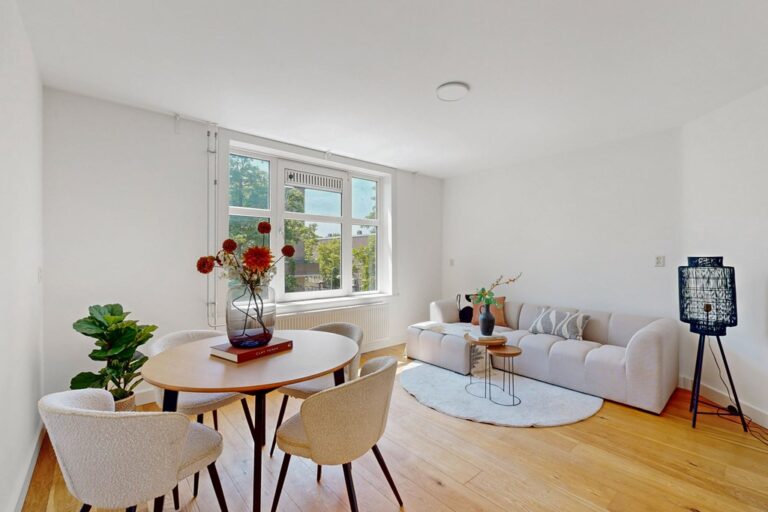 Sold
Sold 1076 VC Amsterdam
Sold in July 2026
 Sold
Sold 1076 TG Amsterdam
Sold in June 2026
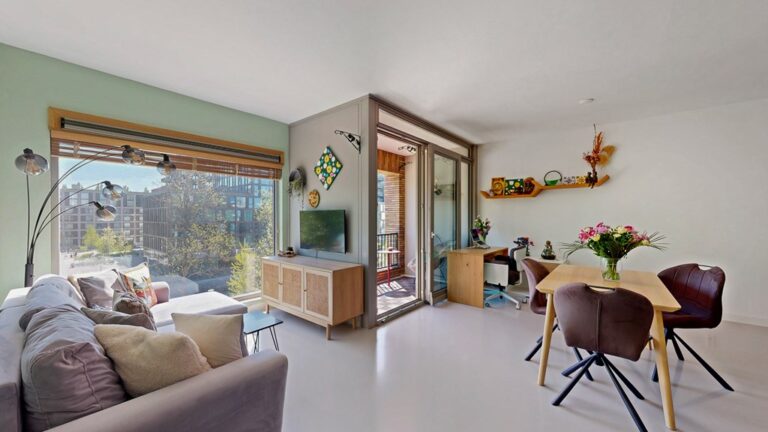 Sold
Sold 1062 HE Amsterdam
Sold in June 2026
 Sold
Sold 1076 SX Amsterdam
Sold in May 2026
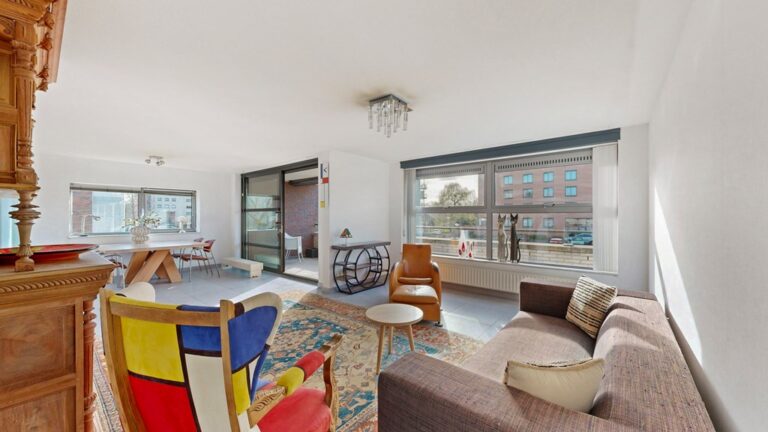 Sold
Sold 1081 JK Amsterdam
Sold in April 2026
Previously sold by us in Amsterdam-Zuid: Alblasstraat 35-H, Churchill-laan 4-H, Moerdijkstraat 23-1, Hoendiepstraat 48-HS, Jekerstraat 62-2, Grevelingenstraat 32-H, Oude-IJselstraat 3-1, Bernissestraat 14-C.

From an honest market valuation to the signature at the civil-law notary.
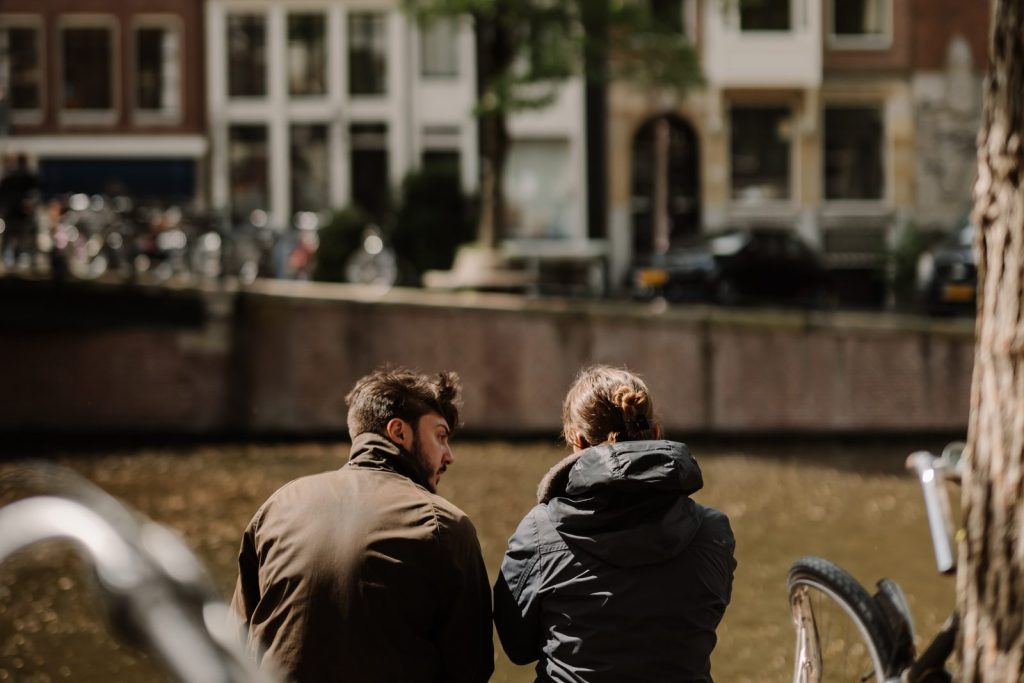
We search with you, look critically and negotiate sharply.
Zuid is one of the most expensive districts of Amsterdam, especially around the Museumplein and in the Apollobuurt. Within the district the differences are large: in Buitenveldert you buy considerably more favourably by Zuid standards.
Yes. The Rivierenbuurt and Buitenveldert in particular are popular with families, with more spacious homes, schools nearby and parks such as the Beatrixpark and the Amstelpark around the corner.
Amsterdam Zuid station is the hub, with metro lines 50, 51 and 52, trains to places including Schiphol and tram 5 towards Buitenveldert and Amstelveen. The Noord/Zuidlijn also stops at De Pijp and Europaplein.
Yes, a lot. We have sold homes here on streets including Woestduinstraat in Oud-Zuid, Rustenburgerstraat in De Pijp and Jekerstraat in the Rivierenbuurt.
When you sell, you pay a fixed fee of 1% of the sale price, including VAT, with a minimum of €3,500 and no start-up costs. For purchase guidance you pay a fixed price of €3,500 including VAT, for homes up to €1 million. Those prices are simply listed on our selling and buying pages.
Yes. We search with you, view homes critically, check the structural condition and negotiate sharply. That way you buy with knowledge of Amsterdam-Zuid, without rushed decisions.
Yes. Besides selling and buying, we also rent out homes in Amsterdam-Zuid, from finding a reliable tenant to the contract.
Another question about Amsterdam-Zuid? Call or message us, we respond quickly.
In a few months the deed is signed and the keys are handed over. The first step is a small one: a free introductory meeting, at your home in Amsterdam-Zuid or at our office on the Singel.
Book an introductionOr call +31 20 845 5878 · info@makelaarinamsterdam.nl
Singel 374, 1016 AH Amsterdam